



What Makes Eulato So Interesting
Some story titles explain themselves immediately. Others create curiosity before the first page even begins. Eulato belongs to the second group. It is the kind of name that sounds unusual, playful, and a little mysterious. That alone gives it a strong starting point, especially in children’s literature, where imagination often begins with one strange detail that makes readers want to know more.
Part of the charm of Eulato comes from how unexpected it feels. The story is associated with a strange egg, unusual creatures, and a world seen from a childlike perspective. Instead of trying to be overly serious, it seems to invite readers into a playful space where odd things are normal and curiosity drives the whole experience. That is often what makes children’s stories memorable. They do not need to explain everything in a logical way right away. They just need to make the reader lean in.
Stories like Eulato often stay with people because they feel different from routine reading. A strange name, an unusual beginning, and a curious world can leave a deeper impression than a more predictable setup. Children especially respond to that kind of storytelling because it allows them to ask questions, imagine possibilities, and enjoy surprise without feeling like every detail has to follow ordinary rules.
A Story Built on Curiosity
One of the strongest qualities in any children’s story is curiosity, and Eulato seems to begin with exactly that. The idea of an unusual egg being found already creates a natural question in the reader’s mind. What is inside it. Where did it come from. Why is it different. Questions like these are simple, but they are powerful. They pull the story forward.
This is one reason unusual children’s tales work so well. They often begin with one strange image or one unexpected event. Once that happens, the whole world of the story begins to open. The reader no longer feels like an observer. They feel involved. They start wondering alongside the characters.
That sense of wonder matters because children’s literature is not only about plot. It is also about discovery. A child reading a story like Eulato does not only want to know what happens next. They want to experience the feeling of surprise. They want to enter a world where the impossible feels natural for a while.
Why Unusual Characters Matter in Children’s Literature
Children often connect strongly with stories that include unusual or unexpected characters. A strange creature, an odd little hero, or a mysterious being born from an impossible egg immediately stands out more than a very ordinary setup. That does not mean ordinary stories cannot be effective, but unusual characters often create stronger emotional interest.
Eulato has that kind of appeal. Even the name sounds like it belongs to a character who is different from everything around him. In children’s stories, that difference often becomes the heart of the reading experience. A character who does not fit neatly into the normal world can represent many things at once. They can symbolize individuality, surprise, growth, change, and even the way children themselves often feel when trying to understand the world.
This is one reason imaginative children’s stories remain relevant long after they are first published. A strange character does not grow old as quickly as a trend-based character. Instead, the oddness becomes timeless. Readers remember the feeling of meeting someone or something completely unexpected.
The Power of a Simple but Strange Premise
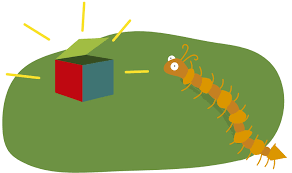
A lot of memorable children’s stories begin with a very simple idea made strange. That formula is effective because it combines familiarity with surprise. An egg is familiar. But a cubic egg is strange. Insects are familiar. But insects surrounding a mysterious egg and reacting to it creates something new.
This kind of storytelling works because children understand the familiar part right away. They know what an egg is. They know insects exist. But once those familiar elements are shifted slightly, the imagination takes over. Suddenly the story feels new even though it began with recognizable pieces.
That balance is often what makes a children’s story feel magical rather than confusing. It gives readers something solid to hold on to while still letting the story surprise them. Eulato seems to fit that style well, which helps explain why the title stands out even to people who only hear the name once.
Imagination Is the Real Center of the Story
At the heart of a story like Eulato is imagination. Not the kind that feels forced or overly complicated, but the kind that feels natural and playful. The best imaginative stories do not constantly tell readers to be amazed. They simply create a world where wonder happens on its own.
That is important in children’s literature because children are often more open to imaginative logic than adults. They do not need every story choice to be realistic. In fact, part of the joy comes from stepping outside realism. A strange egg, unusual animals, and an odd little being named Eulato are enough to create a world that feels alive.
Imaginative stories also encourage flexible thinking. A child reading something unusual learns that stories do not always have to move in predictable ways. They begin to see that language, characters, and events can be playful. That kind of reading experience can quietly support creativity in a deeper way than very literal storytelling.
Why Stories Like Eulato Feel Warm and Memorable
Many unusual children’s stories are not memorable only because they are strange. They are memorable because beneath the oddness there is warmth. Even when the premise is funny or unexpected, the emotional tone often feels gentle. Readers sense that the story is inviting them into a safe imaginative space.
That kind of warmth matters. A strange story without emotional warmth can feel cold or distant. But a story that combines oddness with heart can feel comforting. Children often enjoy being surprised as long as the world of the story still feels welcoming.
Eulato seems to fit that tradition. The concept is unusual, but not in a harsh way. It feels playful, curious, and visually distinctive. That gives the story the kind of identity readers often remember years later, even if they forget every plot detail. Sometimes a title survives in memory not because of what happened on every page, but because of how the story felt.
The Value of Short, Imaginative Children’s Books
Not every meaningful book needs to be long. In fact, some of the most lasting children’s stories are quite short. What matters is not page count but impact. A brief story with a striking image, a strong name, and an imaginative setup can leave a bigger mark than a much longer one.
That is part of what makes titles like Eulato interesting. They remind us that children’s literature can be small in size but large in imaginative effect. A short book can still introduce a world, create wonder, and leave the reader thinking long after the last page.
Short imaginative books are also easier to revisit. Children often love rereading stories that feel visually or emotionally distinct. The unusual nature of a story like Eulato makes it the kind of book that can be enjoyed more than once because the charm is not only in finding out what happens. It is also in returning to the mood and the imagery.
Why the Title Itself Is So Strong
A good title matters more than many people realize. In children’s books especially, the title often creates the first emotional reaction. Eulato is effective because it sounds unique. It is not easily confused with a generic phrase. It feels like a name, but also like a puzzle.
That makes it memorable. Readers may not know what it means at first, but they are likely to remember hearing it. Unusual names often work well in children’s literature because they invite questions before the story even begins. Is Eulato a creature. A person. A nickname. A made-up word. That uncertainty is actually part of the title’s strength.
Strong titles help books last in memory, and Eulato clearly has that quality. Even without knowing the full story, the title alone suggests something whimsical and different.
Eulato and the Tradition of Playful Storytelling
Children’s literature has always had room for the absurd, the funny, and the impossible. That is part of what keeps it alive across generations. Stories do not always need realistic settings or conventional heroes to matter. Sometimes they matter precisely because they refuse to be ordinary.
Eulato seems to belong to that playful tradition. It feels like a story that values strangeness in a positive way. Instead of treating the unusual as something to fear, it treats it as something to explore. That is a healthy and valuable message in its own quiet way. It tells children that the strange can also be joyful, interesting, and worth paying attention to.
Playful storytelling also creates room for interpretation. Adults may see symbolism where children simply see fun. Children may focus on the creature or the egg, while adults notice the themes of difference, acceptance, and curiosity. Good children’s stories often work on both levels without forcing either one.
Why Eulato Still Has Search Interest
The keyword eulato continues to attract attention because it is distinctive and unusual. People search it because they want to know what it means, whether it is a character, and where the story comes from. That is the benefit of a memorable literary keyword. It does not disappear easily once someone hears it.
It also has the advantage of being highly specific. Unlike generic children’s book phrases, Eulato points to one unusual title and one recognizable imaginative identity. That makes it a useful search term for people trying to rediscover the story, learn about the character, or understand why the title sounds so familiar.
Final Thoughts on Eulato
Eulato stands out because it combines the qualities that often make children’s stories last: a strange but simple premise, a memorable name, imaginative energy, and a sense of warmth beneath the oddness. It does not need an ordinary setup to be meaningful. In many ways, its unusual nature is exactly what gives it strength.
Stories like this matter because they remind readers that imagination does not always have to be grand or complicated. Sometimes all it takes is one strange egg, one curious world, and one unforgettable name. That is often enough to create a story people continue to remember.
FAQs
What is Eulato?
Eulato is mainly associated with a Spanish children’s story/book by Ricardo Mariño. Search results identify it as a published book and also connect it with classroom reading activities based on the story.
Who wrote Eulato?
Ricardo Mariño is listed as the author of Eulato in bibliographic and bookseller results.
When was Eulato published?
Search results identify 1984 as the publication year for Eulato.
What is Eulato about?
The story is connected to a very strange cubic egg discovered by insects, which sets up the unusual and imaginative tone of the tale.
Is Eulato a children’s story?
Yes. The available book and story references describe Eulato as a children’s story or children’s book.
Why do people search for Eulato online?
People search for Eulato because the title is unusual, memorable, and tied to a distinctive children’s story that appears in book listings and educational reading activities.
